
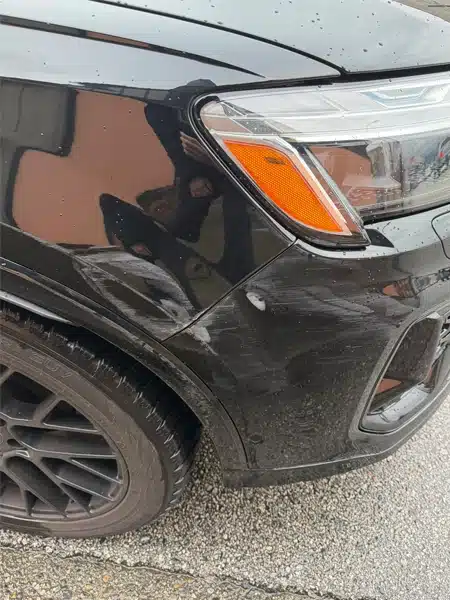
Accidents can happen at any time — even when your vehicle is parked. Recently, we worked with a client in Richmond who experienced a hit and run incident that initially appeared to have caused significant damage to their vehicle.
At first glance, the damage looked severe and raised concerns about whether repainting would be required. However, after a closer inspection, the outcome turned out to be very different.
The Situation
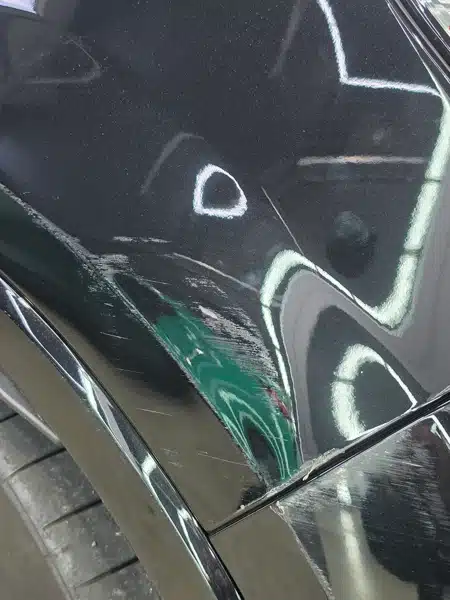
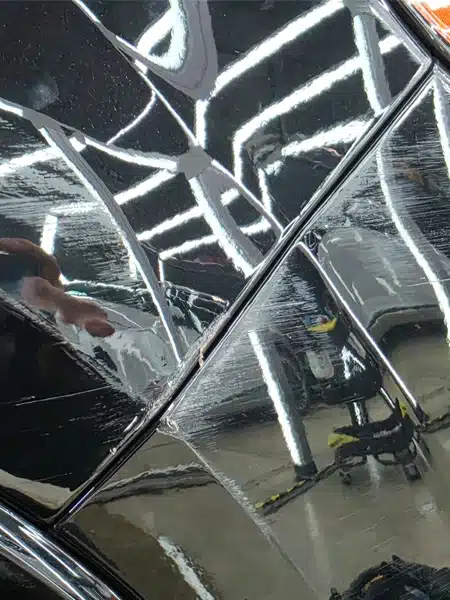
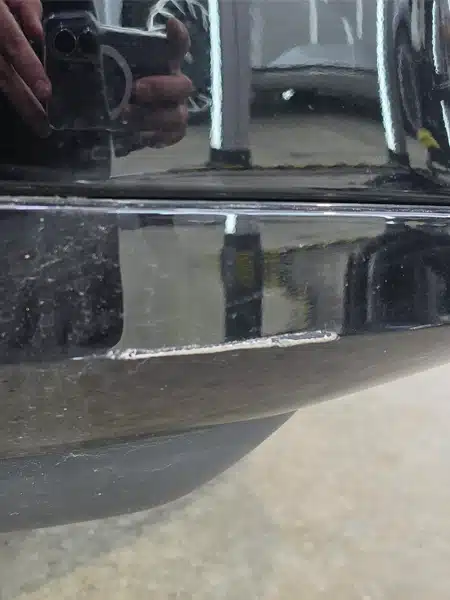
The client brought their vehicle to us after noticing visible damage caused by a hit and run. The impacted area showed clear signs of scuffing and surface damage, which would normally suggest that the paint underneath had been compromised.
Given the nature of the damage, the initial assumption was that the affected panels might need to be repainted — something that can be both time-consuming and costly.
What We Found After Removing the PPF
Fortunately, the vehicle had previously been protected with paint protection film (PPF).
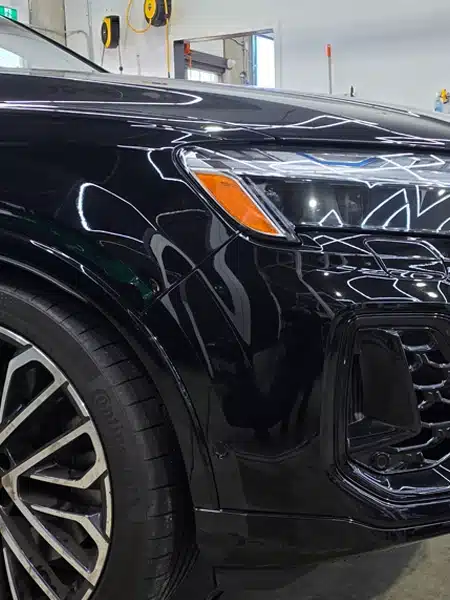
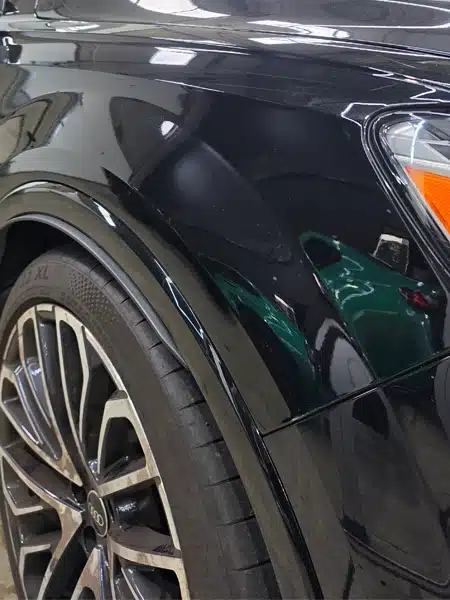
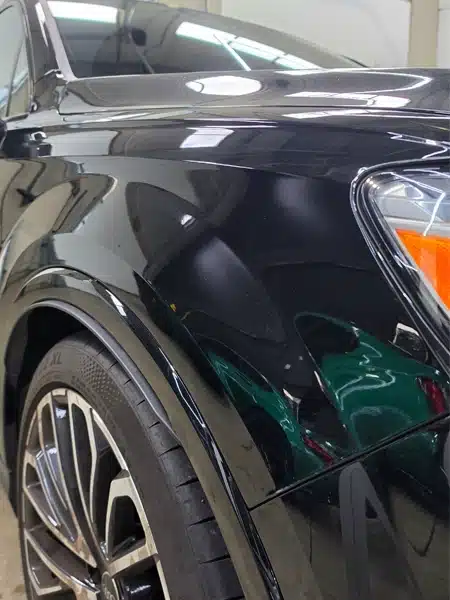
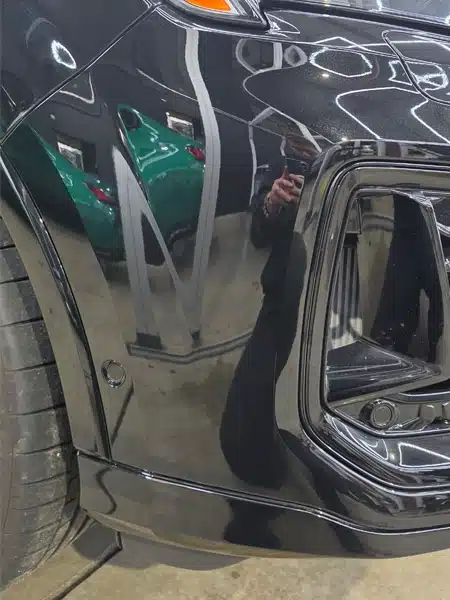
After carefully removing the damaged film, we were able to inspect the paint underneath — and the results were significantly better than expected.
The paint surface remained intact, with no need for repainting or bodywork. The PPF had absorbed the impact and protected the original factory finish.
The Result
Because the paint was preserved beneath the film:
- No repainting was required
- The vehicle did not need to go to a body shop
- The client avoided potential color mismatch and any other paint blemish that comes from aftermarket paint
- The repair process was significantly faster
- Overall costs were reduced
What initially looked like major damage turned out to be largely superficial thanks to the protection provided by the film.
Why This Matters
Repainting a vehicle panel is not always a perfect solution. Even when done professionally, aftermarket paint can introduce:
- Slight color differences
- Variations in finish or texture
- Long-term durability concerns
- Reduced resale value
In many cases, preserving the original factory paint is the best possible outcome.
Paint protection film acts as a sacrificial layer, taking the damage so the paint underneath does not have to.
Why Many Vancouver Drivers Choose PPF
In Vancouver and the Lower Mainland, vehicles are constantly exposed to:
- Highway debris
- Gravel and road sand
- Construction zones
- Daily wear from commuting
Paint protection film helps reduce the risk of long-term paint damage caused by these conditions.
This real-world example demonstrates that PPF isn’t just for preventing small rock chips — it can also provide meaningful protection in unexpected situations.
Learn More About Paint Protection Film
If you’re considering protecting your vehicle, you can explore:
Choosing the right level of protection depends on how your vehicle is driven and what areas you want to protect.
Final Thoughts
This case highlights one of the biggest benefits of paint protection film — preserving your original paint when it matters most.
While no one plans for accidents, having PPF installed can make a significant difference in both the outcome and the cost of repairs.