
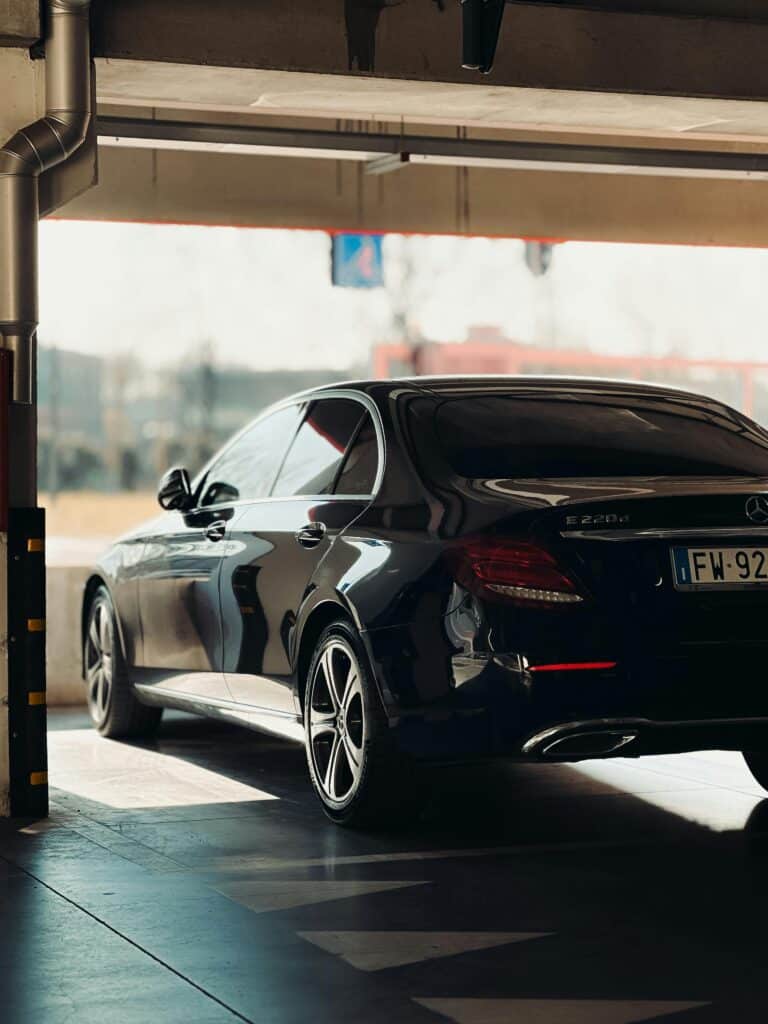
If you’re searching for car window tinting in Vancouver & Richmond BC, chances are you’re not just looking for darker glass. You’re looking for comfort, protection, and quality that actually lasts.
At Speed Projects Laboratory in Richmond, BC, we work with drivers across Vancouver and the Lower Mainland who want more than a cosmetic upgrade. This guide breaks down everything you need to know about Vancouver car window tinting, with a focus on premium XPEL Automotive Window Tint and what truly matters in real-world driving conditions.
What Is Car Window Tinting (and Why It Matters in Vancouver)?
Car window tinting involves installing a high-performance film on the interior side of your vehicle’s glass to control heat, UV exposure, glare, and visibility.
In Vancouver’s climate, where drivers experience long summer sun exposure, stop-and-go urban traffic, and year-round daily driving, window tinting becomes a functional necessity rather than just an aesthetic choice. Many drivers assume tint is mainly about darkness, but modern ceramic tint technology allows windows to remain lighter while still delivering major gains in comfort and protection.
Why Vancouver Drivers Choose Window Tint
1. Heat Rejection Without Dark Windows
Even on overcast days, infrared heat builds up inside a vehicle. Premium tint, especially ceramic film, can reject a significant amount of heat while maintaining excellent visibility. This is particularly important in Vancouver traffic, where vehicles often sit idle in sun pockets between shaded streets, causing interior temperatures to rise quickly.
2. UV Protection for Long-Term Vehicle Care
High-quality window tint blocks up to 99 percent of harmful UV rays. This helps prevent dashboard cracking, leather fading, and premature interior wear. For drivers planning to keep their vehicle long term or protect resale value, UV protection is one of the most overlooked but valuable benefits of window tinting.
3. Reduced Glare for Safer Driving
Low sun angles during Vancouver mornings and evenings can be harsh, especially when combined with wet roads. Window tint reduces glare from direct sunlight, oncoming headlights, and reflections off damp pavement. The result is better visibility, reduced eye strain, and a more relaxed driving experience.
4. Privacy Without Sacrificing Clarity
Window tint adds a subtle layer of privacy that helps keep valuables out of sight, improves security, and enhances cabin comfort. With modern ceramic films, privacy does not come at the cost of poor night visibility, which is a common concern for Vancouver drivers.
Types of Car Window Tint (What Actually Performs)
Dyed tint is considered entry-level. It offers a darker appearance but provides minimal heat rejection and is more prone to fading over time. While it may look good initially, performance is limited.
- Metalized tint windows reflect heat using metallic particles, offering improved heat control. However, it can interfere with GPS, phone, and radio signals, which is an important trade-off to consider in modern vehicles.
- Carbon tint windows are non-metallic and provide better heat rejection and longevity than dyed films. It is a solid mid-range option, though it is still outperformed by ceramic technology.
- Ceramic tint windows use advanced nano-ceramic technology to deliver exceptional heat and UV rejection without signal interference. It offers superior optical clarity and long-term durability, making it the highest-performing option available. This is why we recommend ceramic tint for most Vancouver drivers.
Why Speed Projects Laboratory Uses XPEL Automotive Window Tint
At Speed Projects Laboratory, we use XPEL Automotive Window Tint because it aligns with our philosophy: performance first, longevity second, aesthetics always considered.
XPEL window tint features advanced nano-ceramic construction, high infrared heat rejection even in lighter shades, excellent clarity with minimal haze, and proven durability in real-world conditions. It is designed to complement premium vehicles without compromising visibility or comfort.
One of the biggest misconceptions we see is that a darker tint automatically means better heat rejection. In reality, a lighter XPEL ceramic tint can outperform cheaper dark films while remaining more compliant with Vancouver-area tint regulations.
Window Tint Darkness (VLT): What Vancouver Drivers Should Know
Visible Light Transmission, or VLT, measures how much light passes through your windows. Lighter ranges, such as 70 to 50 percent VLT, offer a subtle appearance while still delivering excellent heat rejection with ceramic film. Thirty-five percent VLT provides a balanced look with added privacy. Films at 20 percent or below maximize privacy but can reduce night visibility.
For car window tinting in Vancouver, many drivers choose lighter ceramic options to balance legality, visibility in rain and low-light conditions, and overall cabin comfort.
Is Car Window Tinting Legal in Vancouver and BC?
Tint laws vary across Canada and by province. In British Columbia, car window tint law regulations typically focus on front side window visibility, windshield restrictions, and reflectivity limits.
At Speed Projects Laboratory in Richmond, BC, we guide clients toward compliant, performance-driven tint setups rather than pushing overly dark films that compromise safety or legality.
Window Tint Regulations in British Columbia
For drivers researching car window tint in Vancouver, understanding BC car window tint regulations is essential before choosing film darkness.
In British Columbia, car window tint laws are designed around driver visibility and safety, not aesthetics. While enforcement can vary, the general principles include:
- Windshield: Aftermarket tint is typically limited to a narrow visor strip at the top
- Front side windows: Must allow sufficient visible light for clear driver visibility
- Rear side & rear windows: More flexibility is usually permitted
- Reflective or mirrored tints: May be restricted
The mistake many drivers make is assuming “darker is better” or copying tint levels seen online or in other provinces. In reality, Vancouver’s lighting conditions, rain, low sun angles, and night driving make visibility just as important as heat rejection.
This is where high-performance ceramic tint becomes critical. With modern films like XPEL Automotive Window Tint, you can achieve excellent heat and UV rejection without pushing legal or visibility boundaries.
At Speed Projects Laboratory in Richmond, BC, we guide clients toward tint setups that balance:
- Comfort
- Compliance
- Long-term usability
Rather than chasing extreme darkness that may compromise safety or invite unnecessary attention.
How Much Does Car Window Tint Cost in Vancouver?
Pricing depends on vehicle type, number of windows, and film technology. Entry-level tint typically ranges from $150 to $300. Carbon tint usually falls between $250 and $450. XPEL ceramic tint generally ranges from $400 to $800 or more.
While ceramic tint costs more upfront, its comfort, performance, and durability often make it the better long-term investment for Vancouver drivers.
Professional Car Window Tint Installation vs DIY Tint Kits
With DIY kits readily available online, many drivers wonder if professional installation is really necessary.
Here’s the honest comparison.
DIY Window Tint (The Tradeoffs)
DIY tint kits can look appealing due to low upfront cost—but they come with real compromises:
- Higher risk of bubbles, creases, and contamination
- Inconsistent edges and visibility distortion
- Shorter lifespan and early peeling
- Limited film quality compared to professional-grade options
In Vancouver’s humid, variable climate, DIY installs often fail prematurely.
What to Expect During Car Window Tint Installation
Our installation process is precise and controlled, starting with thorough glass preparation, followed by precision-cut XPEL film and careful interior application. Moisture and bubbles are removed methodically to ensure a clean finish.
Installation typically takes two to four hours, depending on the vehicle. A curing period of three to seven days is recommended, during which windows should not be rolled down. Minor haze or water spots during this time are normal and temporary.
How Long Does XPEL Window Tint Last?
With proper care, XPEL ceramic window tint can last eight to ten years or more. It is highly resistant to fading, bubbling, and discoloration, which is why we confidently recommend it to drivers across Richmond, Vancouver, and the Lower Mainland.
How to Maintain and Care for Tinted Windows
Proper care extends the life of your window tint—especially premium ceramic films.
After Installation (First 3–7 Days)
- Do not roll the windows down
- Expect light haze or small water pockets (normal during curing)
- Avoid cleaning the inside of the glass
Is Car Window Tinting Worth It in Vancouver?
Most drivers face a simple trade-off. You can choose a cheaper tint for darker windows, or you can choose a high-performance ceramic tint that improves comfort on every drive.
In a city like Vancouver, where visibility, weather conditions, and long-term vehicle care matter, performance-driven window tinting consistently delivers more value.
Long-Term Tint Care Best Practices
Once fully cured:
- Use ammonia-free cleaners only
- Clean with soft microfiber towels
- Avoid abrasive tools or aggressive wiping
- Do not scrape tint with hard objects
High-quality films like XPEL Automotive Window Tint are engineered for durability, but improper cleaning is still the #1 cause of premature damage.
With proper care, ceramic window tint can maintain:
- Optical clarity
- Heat rejection performance
- Clean appearance
for 8–10+ years.
Book Your Appointment for Car Window Tinting
At Speed Projects Laboratory in Richmond, BC, we approach window tinting the same way we approach paint protection and detailing: do it once, do it properly, and make it last. If you’re researching window tinting in Vancouver, the key takeaway is simple. Look beyond darkness and focus on real-world performance.