
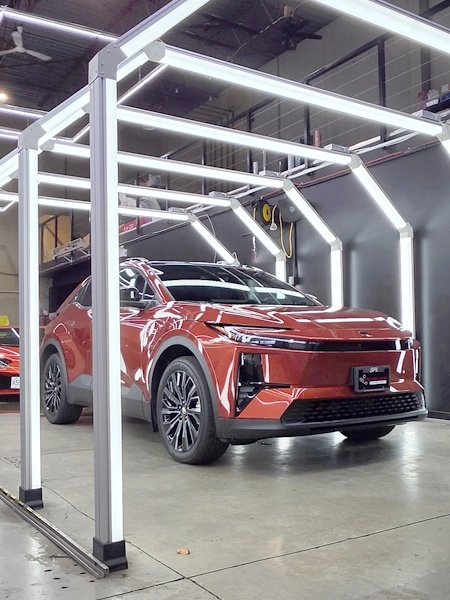
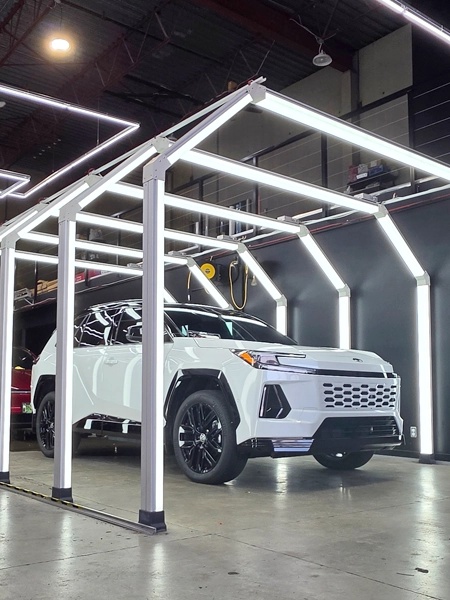
New vehicles may leave the dealership with flawless paint, but that finish immediately becomes exposed to rock chips, road debris, bug impacts and everyday wear once the vehicle hits the road.
Recently, two brand-new 2026 Toyotas arrived at Speed Projects Laboratory in Richmond for paint protection: a 2026 Toyota RAV4 PHEV and a 2026 Toyota C-HR XSE.
Both owners chose to protect the high-impact areas of their new vehicles with our Package C Full Front End Paint Protection Film, while the RAV4 PHEV received an additional five-year ceramic coating package for more comprehensive exterior protection.
For owners researching ways to preserve a new vehicle, professionally installed paint protection film in Richmond and Vancouver provides a physical sacrificial layer between the factory finish and many of the hazards encountered during everyday driving.
Project Snapshot
| 2026 Toyota RAV4 PHEV | 2026 Toyota C-HR XSE | |
|---|---|---|
| Condition | Brand new | Brand new |
| Primary Goal | Protect factory paint and simplify long-term exterior care | Protect high-impact front-end surfaces |
| PPF Coverage | Package C – Full Front End | Package C – Full Front End |
| Ceramic Coating | Ultra Extended Preservation Package – 5 Years | — |
| Service Location | Richmond, BC | Richmond, BC |
Customer Goal: Protecting the Vehicles While They’re Still New
There is a major advantage to installing paint protection early in a vehicle’s life: the factory finish has had less time to accumulate rock chips, scratches and other defects.
Instead of waiting until the front bumper and hood have already been damaged, both owners chose a preventative approach.
The goal wasn’t to change how either Toyota looked. It was to preserve the factory appearance while making the vehicles better prepared for years of commuting, highway driving and Lower Mainland road conditions.
Why It’s Important to Protect New Toyotas with PPF
Modern Toyotas are designed to be driven every day, and that’s precisely why protecting them early can make sense.
The front bumper, hood, fenders, headlights and mirrors are constantly exposed to debris thrown by other vehicles. Highway driving can be particularly hard on these surfaces, where even relatively small pieces of gravel can leave permanent chips in an otherwise pristine finish.
Paint protection film creates a transparent physical barrier over these painted surfaces. SPL’s Package C Full Front End is designed around these higher-impact areas and currently includes the full bumper, full hood, full fenders, mirror caps, A-pillars and headlights.
PPF Protects Against Damage That Ceramic Coating Cannot
This distinction is important.
Ceramic coating is excellent for making painted surfaces easier to maintain while adding hydrophobic properties, gloss and resistance against environmental contamination. However, it is not a substitute for the physical impact protection of PPF.
PPF is the product we rely on for areas exposed to:
- rock chips
- road debris
- minor scratches and scuffs
- bug impacts
- everyday high-impact road exposure
Ceramic coating complements that protection by improving the way the vehicle’s exterior behaves during washing and everyday maintenance.
That’s why combining PPF with ceramic coating in Richmond and Vancouver can be an effective approach for owners who plan to keep their new Toyota looking its best for years.
SPL Tech Tip
PPF and ceramic coating perform different jobs. Think of PPF primarily as physical impact protection and ceramic coating primarily as a surface-maintenance and environmental-protection layer. Combining the two allows each product to do what it does best.
Project 1: 2026 Toyota RAV4 PHEV
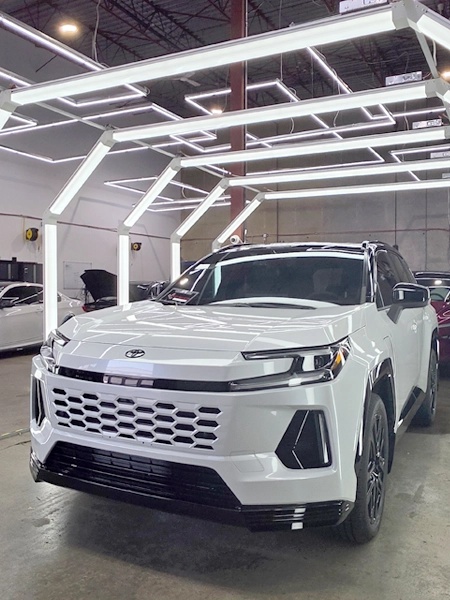
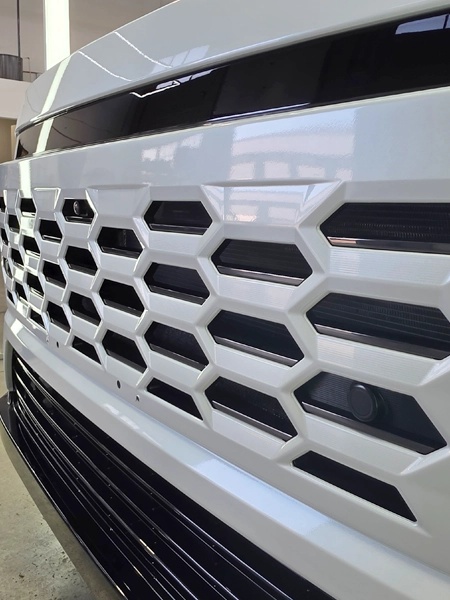
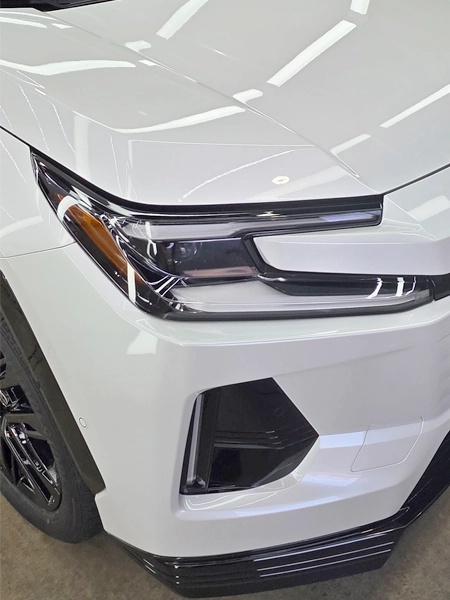
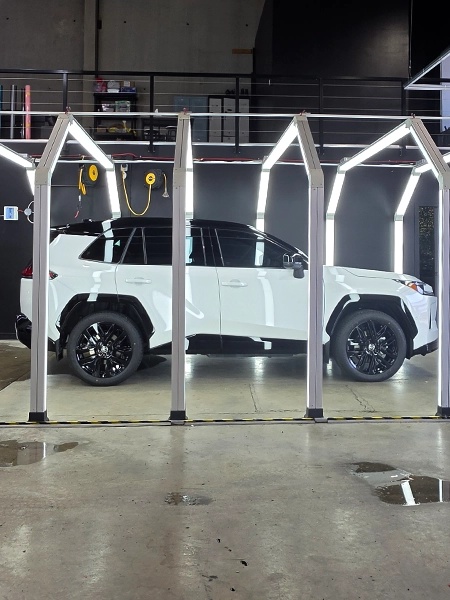
Full Front End PPF – Package C
The first vehicle was a new 2026 Toyota RAV4 PHEV.
With its large front fascia, sculpted hood and numerous forward-facing painted surfaces, the redesigned RAV4 has several areas that can encounter road debris during regular use.
For this vehicle, we installed our Package C Full Front End PPF.
The coverage focuses protection on the front of the vehicle without requiring the cost of wrapping every painted body panel.
The objective is simple: put the strongest physical protection where the vehicle is most likely to need it.
Installing Paint Protection Film on the RAV4
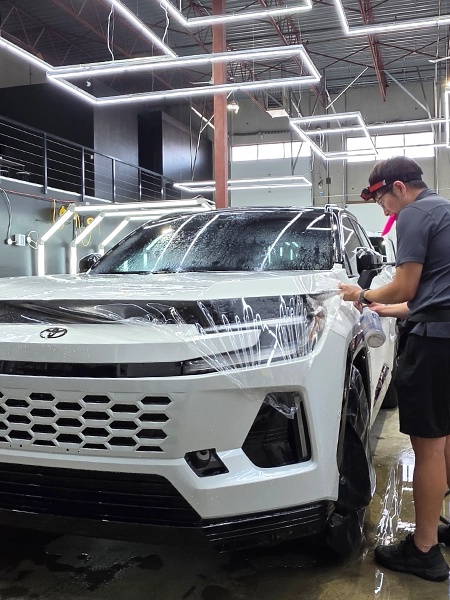
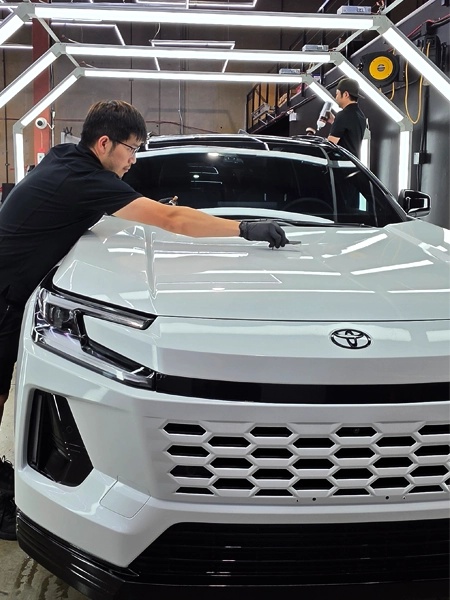
PPF installation requires substantially more than simply laying a transparent sheet over the paint.
The surfaces are first thoroughly prepared so contamination isn’t trapped beneath the film. Individual sections are then positioned and installed across the applicable panels, with our technicians carefully working around the RAV4’s body lines, panel edges and front-end details.
The result is intended to be subtle.
Once properly installed, the film allows the original colour and gloss of the RAV4 to remain the visual focus while adding a sacrificial protective layer over the vulnerable surfaces.
Adding Five-Year Ceramic Coating Protection
The RAV4 owner took the protection strategy one step further by adding our Ultra Extended Preservation Package, rated for five years.
Rather than limiting protection to the PPF-covered areas, the coating gives the vehicle a more comprehensive exterior-care solution.
A quality coating helps provide:
- increased gloss
- hydrophobic behaviour
- easier washing
- improved resistance against environmental contamination
- additional UV and chemical resistance
- easier ongoing maintenance
For owners considering long-term protection, SPL also offers Revivify self-healing ceramic and graphene coatings with several durability levels, including five-year coating options.
Why Combine PPF and Ceramic Coating?
The combination gives the RAV4 two different forms of protection.
PPF handles the high-impact areas.
Ceramic coating helps protect and maintain the exposed surfaces throughout the rest of the vehicle.
For a brand-new daily-driven vehicle, it’s one of the most comprehensive approaches without necessarily moving to full-body PPF.
SPL Tech Tip
Installing protection while a vehicle is new can also reduce the amount of corrective preparation required compared with a vehicle that has already accumulated years of scratches, contamination and paint defects.
Project 2: 2026 Toyota C-HR XSE

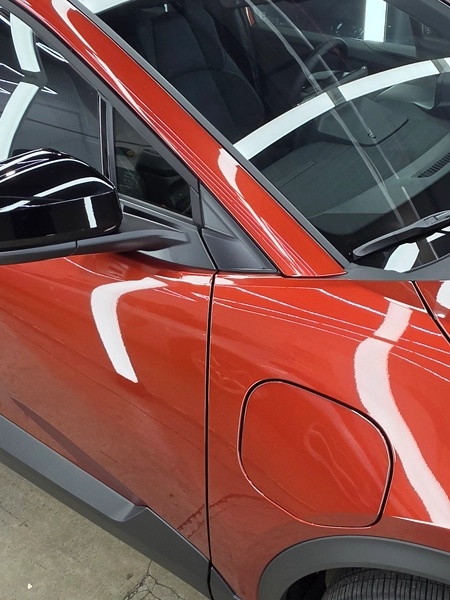

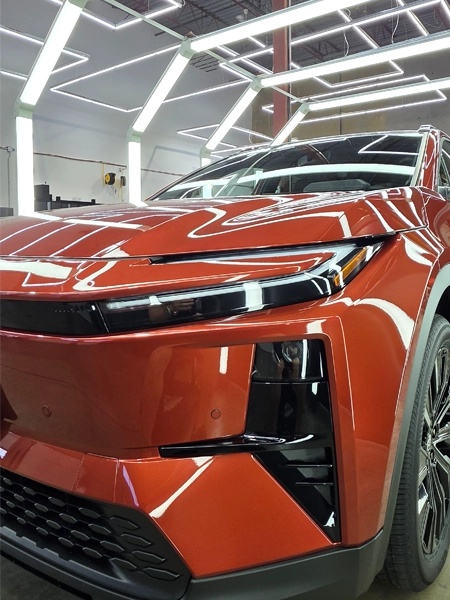
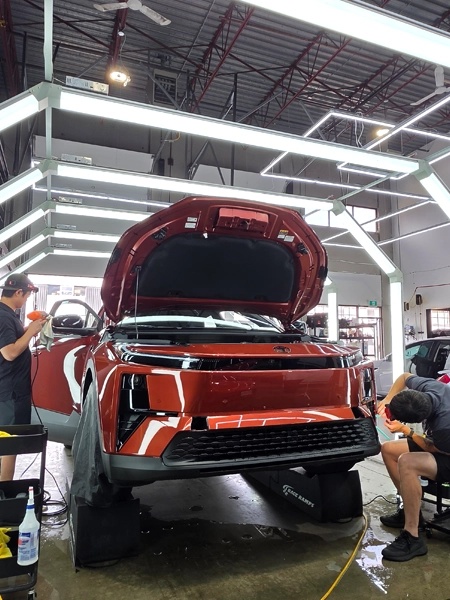
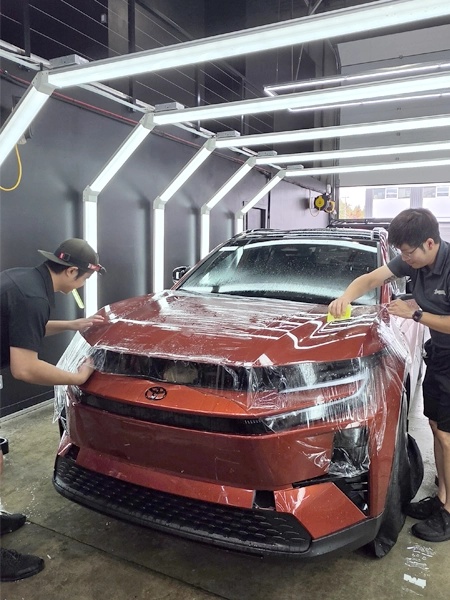
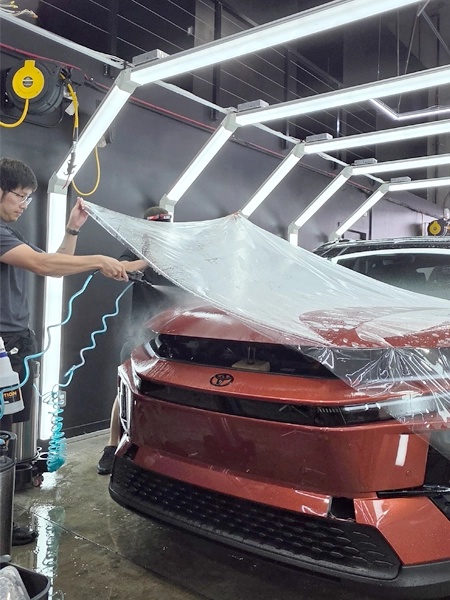
Package C Full Front End PPF
The second Toyota received a more focused protection package.
This new 2026 Toyota C-HR XSE came to SPL specifically for full front-end paint protection film.
Like the RAV4, its front-end design incorporates several prominent painted surfaces directly exposed to traffic and road debris.
Our Package C provides a useful middle ground for owners who want meaningful protection without wrapping the entire vehicle.
Protecting the C-HR’s Front-End Design
The C-HR’s sharp styling and detailed front fascia make installation technique especially important.
PPF must follow the vehicle’s contours while maintaining a clean appearance around transitions, edges and adjoining trim.
The objective isn’t for someone walking past the C-HR to immediately notice that it has film installed.
Ideally, they simply see a clean, glossy Toyota.
The protection is there when the vehicle needs it.
Package C vs. Full-Body PPF: Which Makes Sense for a New Toyota?
Not every new vehicle needs full-body PPF.
For many daily-driven Toyotas, Package C is one of the most practical starting points because it concentrates the investment on the panels that receive the greatest amount of forward-facing road exposure.
Full-body PPF becomes more attractive for owners who want protection against scratches and wear beyond the front end, have a particularly valuable or difficult-to-repair paint finish, or simply want the highest level of exterior film coverage available.
You can review SPL’s current paint protection film coverage and PPF packages to compare partial-front, full-front and expanded coverage options.
SPL Technician’s Insight
One of the best times to install PPF is when the vehicle is still new.
Customers sometimes wait until the first few rock chips appear before considering paint protection. At that point, PPF can prevent additional damage, but the film can’t reverse chips that are already present underneath it.
Protecting the vehicle early allows us to preserve more of the original factory finish from the beginning.
For daily-driven vehicles such as the RAV4 and C-HR, we particularly like full-front coverage because it targets the surfaces that tend to encounter road debris first without requiring every owner to commit to full-body protection.
SPL Verdict
These two 2026 Toyotas demonstrate two sensible approaches to new-car protection.
For the Toyota C-HR XSE, Package C provides focused physical protection for the most vulnerable front-end areas.
For the Toyota RAV4 PHEV, combining Package C with a five-year ceramic coating package creates a broader protection system: PPF for high-impact areas and coating for easier maintenance and environmental protection throughout the vehicle.
Neither approach changes what makes these vehicles appealing.
The objective is simply to help keep them looking newer for longer.
For Toyota owners throughout Richmond, Vancouver and the Lower Mainland, SPL offers automotive paint protection services ranging from targeted PPF coverage to full-vehicle film, ceramic coatings and other exterior protection solutions.
Frequently Asked Questions
Is PPF worth installing on a brand-new Toyota?
For owners concerned about rock chips, road debris and preserving the original factory finish, installing PPF while the vehicle is new can be beneficial because protection begins before substantial road damage accumulates.
What does SPL’s Package C PPF cover?
SPL’s current Package C Full Front End coverage includes the full bumper, full hood, full fenders, mirror caps, A-pillars and headlights.
Does ceramic coating prevent rock chips?
No. Ceramic coating and PPF serve different purposes. Ceramic coating improves surface properties and maintenance, while PPF provides a physical film layer designed to protect against impacts such as road debris and rock chips.
Should I install PPF or ceramic coating first?
When both are being applied, PPF is installed on the appropriate painted surfaces as the physical protection layer. The overall protection process can then incorporate ceramic coating according to the selected package and surfaces being treated.
Is full-front PPF enough for a daily-driven Toyota?
For many owners, full-front PPF provides an effective balance because it concentrates protection on the areas most frequently exposed to forward-facing road debris. Owners seeking broader scratch and impact protection can consider expanded or full-body PPF coverage.
Can PPF be installed after a vehicle already has rock chips?
Yes, but existing chips remain underneath the film. PPF is preventative rather than a repair for existing paint damage, which is one reason installing it early in a vehicle’s life can be advantageous.
How long does ceramic coating last?
Durability depends on the coating system, vehicle use and required maintenance. This RAV4 received SPL’s Ultra Extended Preservation Package, rated for five years.
Does SPL install Toyota PPF in Vancouver?
Speed Projects Laboratory installs automotive paint protection film from its facility in Richmond, BC, serving vehicle owners throughout Vancouver and the surrounding Lower Mainland.